東方之珠(1981年)

無線電視劇《前路》主題曲
作曲:顧嘉輝
作詞:鄭國江
編曲:褚鎮東
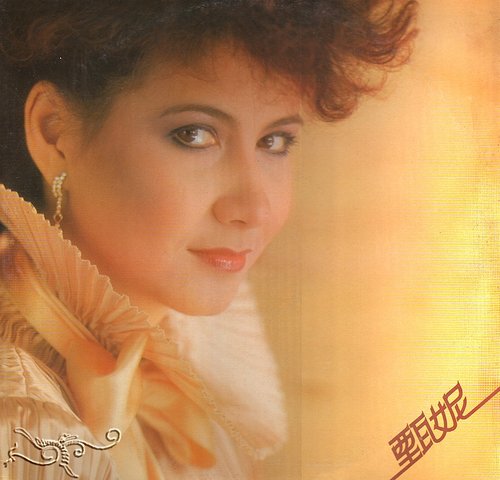
演唱:甄妮

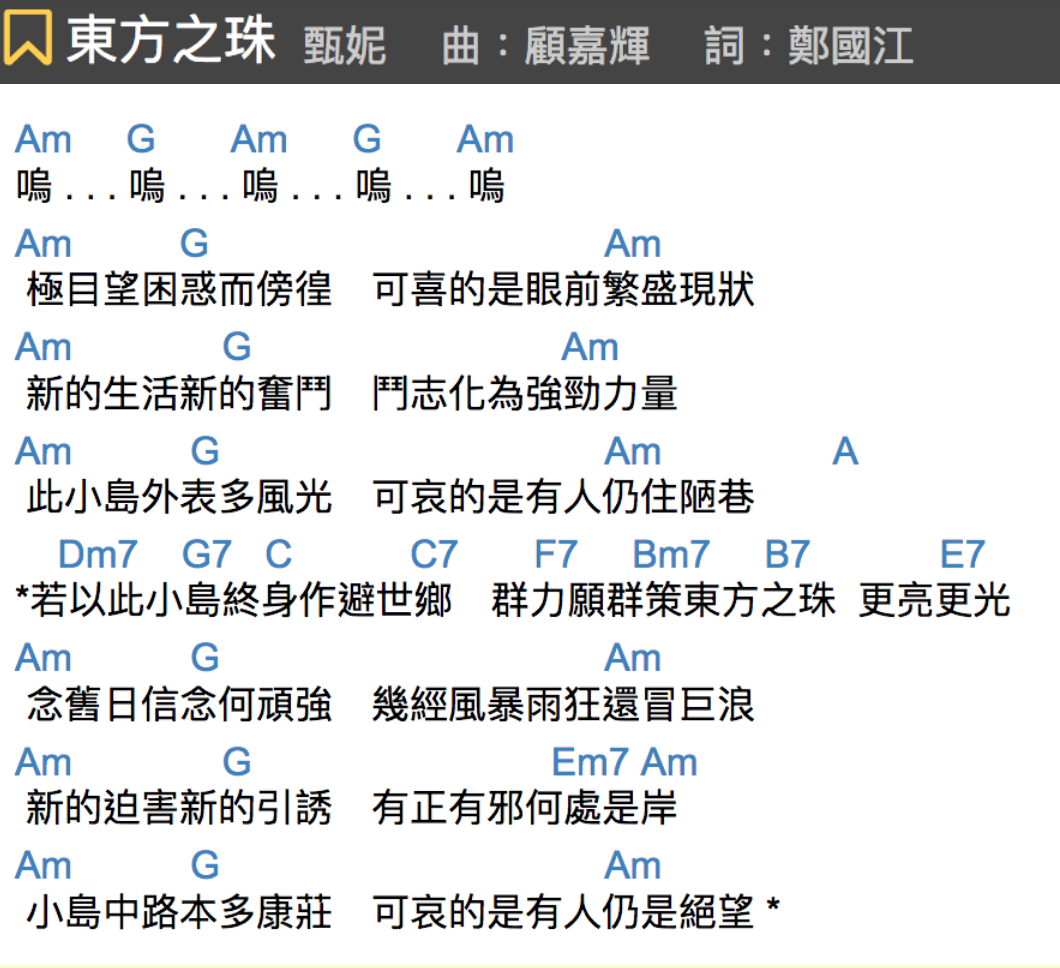
極目望困惑而傍徨
可喜的是眼前繁盛現狀
新的生活新的奮鬥
鬥志化為強勁力量
此小島外表多風光
可哀的是有人仍住陋巷

若以此小島
終身作避世鄉
群力願群策
東方之珠,更亮更光

念舊日信念何頑強
幾經風暴雨狂還冒巨浪
新的迫害新的引誘
有正有邪何處是岸
小島中路本多康莊
可哀的是有人仍是絕望

(笛子演奏)

若以此小島
終身作避世鄉
群力願群策
東方之珠,更亮更光

念舊日信念何頑強
幾經風暴雨狂還冒巨浪
新的迫害新的引誘
有正有邪何處是岸
小島中路本多康莊
可哀的是有人仍是絕望

(笛子演奏)
東方之珠(1986年)

作曲:羅大佑
作詞:鄭國江
編曲:楊雪驃
演唱:關正傑

回望過去 滄桑百年
有過幾多 淒風苦雨天
東方之珠 熬過鍛煉
熬過苦困遍歷多少變遷

沉著應變 苦中有甜
笑聲哭聲 響於耳邊
東方之珠 贏過讚羨
贏過一串暗淡艱苦的挑戰

無言地幹 新績創不斷
無盡的勇氣 無窮的鬥志
永存不變
繁榮共創 刻苦永不倦
龍裔的貢獻  能傳得更遠
光輝一片

迎面更有 千千百年
這小海島 新績再展
東方之珠 誰也讚羨
猶似加上美麗璀璨的冠冕

(啊啊)

回望過去 滄桑百年
有過幾多 淒風苦雨天
東方之珠 誰也讚羨
猶似加上美麗璀璨的冠冕

無言地幹 新績創不斷
無盡的勇氣 無窮的鬥志
永存不變
繁榮共創 刻苦永不倦
龍裔的貢獻 能傳得更遠
光輝一片
東方之珠(1991年)

作曲:羅大佑
作詞:羅大佑
編曲:花比傲/羅大佑
演唱:羅大佑

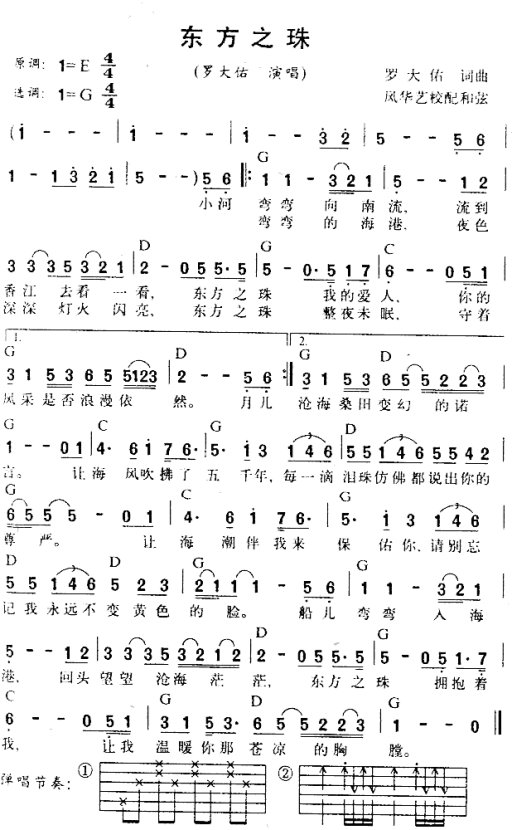
小河彎彎  向南流
流到香江  去看一看
東方之珠  我的愛人
你的風采是否浪漫依然

月兒彎彎  的海港
夜色深深 燈火閃亮
東方之珠 整夜未眠
守著滄海桑田變幻的諾言

讓海風  吹拂了五千年
每一滴淚珠  彷彿都說出
你的尊嚴
讓海潮  伴我來保佑你
請別忘記  我永遠不變
黃色的臉

船兒彎彎  入海港
回頭望望 滄海茫茫
東方之珠 擁抱著我
讓我溫暖你那蒼涼的胸膛

讓海風  吹拂了五千年
每一滴淚珠  彷彿都說出
你的尊嚴
讓海潮  伴我來保佑你
請別忘記  我永遠不變
黃色的臉

船兒彎彎  入海港
回頭望望 滄海茫茫
東方之珠 擁抱著我
讓我溫暖你那蒼涼的胸膛

讓海風  吹拂了五千年
每一滴淚珠  彷彿都說出
你的尊嚴
讓海潮  伴我來保佑你
請別忘記  我永遠不變
黃色的臉

讓海風  吹拂了五千年
每一滴淚珠  彷彿都說出
你的尊嚴
讓海潮  伴我來保佑你
請別忘記  我永遠不變
黃色的臉

請別忘記  我永遠不變
黃色的臉
 Click to enlarge (click again to close)
點擊放大(再擊關閉)
Click to enlarge (click again to close)
點擊放大(再擊關閉)
 Click to enlarge (click again to close)
點擊放大(再擊關閉)
Click to enlarge (click again to close)
點擊放大(再擊關閉)
 Click to enlarge (click again to close)
點擊放大(再擊關閉)
Click to enlarge (click again to close)
點擊放大(再擊關閉)
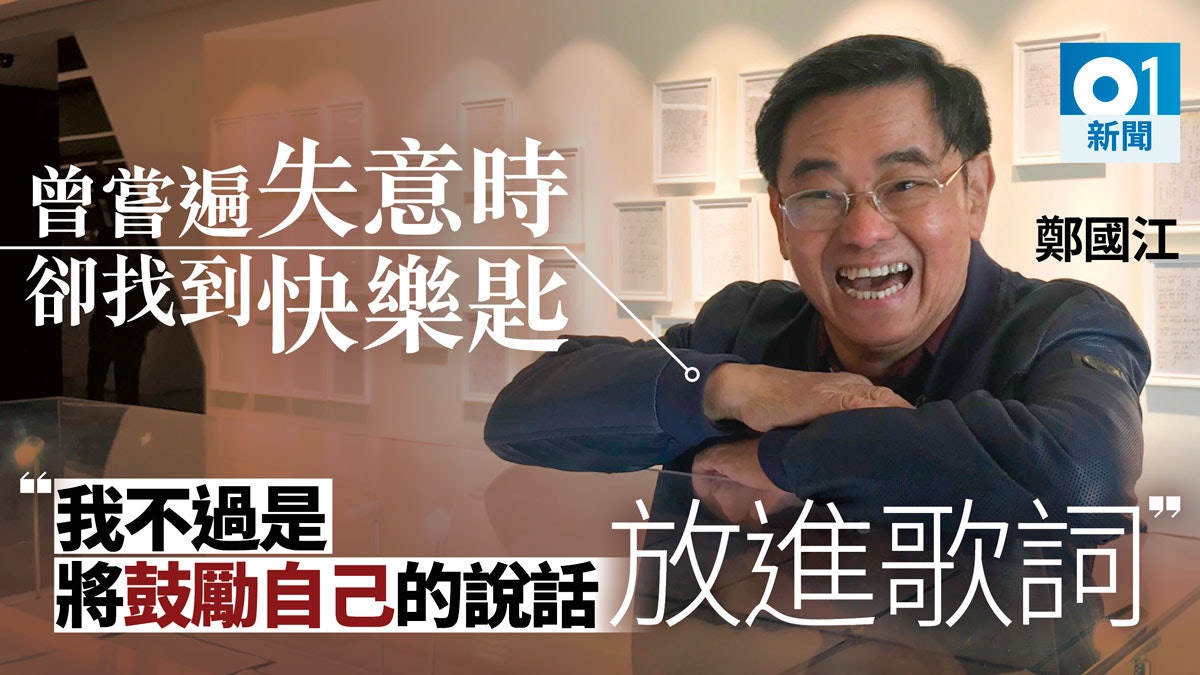
The lyrics written by Cheng include countless classic Cantonese children's songs, TV drama theme songs and popular songs. They are not only the collective memories of generations of Hong Kong people, but also become the biggest spiritual support for many people when they are weak. As for the title of "inspirational lyricist", he frankly admitted that, "Actually, I am inspired because I am scared. I am afraid of failure, and I want to encourage myself. I just put the words of encouragement in my lyrics."
He has won the "Outstanding Artistic Contribution Award" by Hong Kong Arts Development Council, "Composers and Authors Society of Hong Kong (CASH) Music Achievement Award" and other awards. He regarded these achievments lightly. Perhaps he is more grateful another encounter:
I think I am very lucky. I was born in Hong Kong and I can help the outstanding singers at that time, Roman Tam(羅文), Jenny Tseng(甄妮), Paula Tsui(徐小鳳), Teresa Teng(鄧麗君), Michael Kwan(關正傑). All the singers I can count I have the opportunity to cooperate, because Hong Kong is such a small place. In a foreign country, you can write a famous song for a famous singer. I can write a lot of songs for many different excellent singers. This is my lucky place.Cheng is now retired. In 2017, he was invited as the "On Campus Artist" in The Hong Kong Polytechnic University.
鄭國江筆下的詞,包括無數經典粵語兒歌、電視劇主題曲及流行曲,不但是數代香港人的集體回憶,更成為不少人軟弱時候的最大精神支柱。面對「勵志詞人」的稱號,他坦言:「其實勵志是我怕、我驚自己失敗,而要鼓勵自己,我只是把鼓勵自己的說話,放在歌詞裡面。」
曾獲頒授香港藝術發展局「傑出藝術貢獻獎」、「香港作曲家及作詞家協會(CASH)音樂成就大獎」等等,他只是輕描淡寫。或許另一種相遇,更令他感恩:
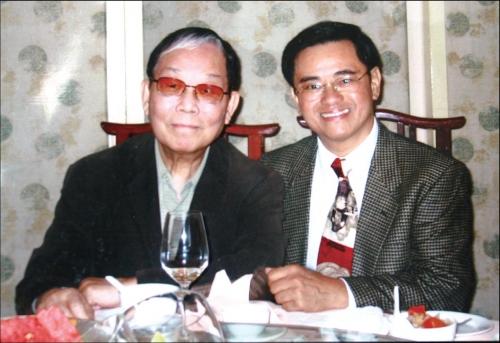
我覺得自己好幸運,可以生在香港,幫助當時很出色的歌手,羅文、甄妮、徐小鳳、鄧麗君、關正傑,數得出的歌手我都有機會合作,就是因為香港是一個如此細的地方,如果在外國,你能為一個成名的歌手,寫一首成名的歌已經是不得了,我可以幫很多不同出色的歌手寫好多歌,這是我幸運的地方。鄭國江現已退休。2017年接受邀請,成為香港理工大學「「駐校藝術家」。
 Click to enlarge (click again to close)
點擊放大(再擊關閉)
Click to enlarge (click again to close)
點擊放大(再擊關閉)
Joseph Koo rarely creates a theme song in a minor key, and Jenny's "Pearl of the Orient" is a rare one. The mournful melody tells the story of the island, and the soundtrack adds flute to express the fusion of Chinese and Western Hong Kong.
Cheng wrote the sadness behind the prosperity, which is a very three-dimensional Hong Kong concept work. The whole song is a mixture of sadness and joy, and the two most thought-provoking passages are "This small island looks beautiful, but sadly there are people who still live in the alleys." and "The road in the middle of the island is a lot of prosperity, sadly, there are people who are still in despair." The most "inspirational" part of the whole song is "Teamwork is willing to work together, to make the Pearl of the Orient shinier and brighter".
Jenny sang "Pearl of the Orient" with immense grief and sincerity. This is not a work of peaceful whitewashing, but a masterpiece of realism. The words confront the drawback of Hong Kong society, and exudes the charm of compassion.
In 1982, this "Pearl of the Orient" won an award in the 4th Top Ten Chinese Golden Songs.
顧嘉煇少有以小調創作主題曲,甄妮的《東方之珠》就是難得的一首。哀怨的旋律,述說小島的故事,配樂加入笛子,表達香港中西薈萃。
鄭國江寫出繁榮背後的哀愁,是一首很立體的香港概念作品。全首歌詞悲喜交集,其中最發人心省的兩段分別是『此小島外表多風光,可哀的是有人仍住陋巷』與及『小島中路本多康莊,可哀的是有人仍是絕望』。全首歌最「勵志」的部分,就是『群力願群策,東方之珠更亮更光』。
甄妮演唱《東方之珠》,殊為悲絕、也最有誠意。這不是粉飾太平的作品,而是現實主義的力作。筆觸之下,直面香港社會弊病,散發著悲天憫人的魅力。
1982年,這一首《東方之珠》,榮獲第四屆十大中文金曲獎。
Lo Tayu is a renowned musician from Taiwan. After Taiwan broke off diplomatic relations with the United States in 1979, he composed the "Orphan of Asia" to reflect his mood. In the mid-1980s, he left Taiwan and went to the United States, but he couldn't bear the loneliness. Unwilling to give up his music creation, he traveled to and from Hong Kong frequently during this period, establishing a new world in the Cantonese music scene.
At the end of 1984, China and the United Kingdom signed the Sino-British Joint Declaration, which clearly stated that China would regain Hong Kong sovereignty in 1997. Out of pessimism about the policy, Hong Kong began a years-long immigration wave.
Against this background, Lo Tayu composed "Pearl of the Orient", as an outsider to describe the sadness of Hong Kong at that time. To a certain extent, "Pearl of the Orient" is the Hong Kong version of "The Orphan of Asia", and it is the first time that he has used his works to focus on Hong Kong issues.
For Lo Tayu's "Pearl of the Orient", a Cantonese version was launched in 1986 initially, recorded by Michael Kwan(關正傑)in his album "Revelation".
Kwok-Kong Cheng also wrote the lyrics for this song. He applied his usual "inspirational" style to explain the hard struggles and vicissitudes of Hong Kong in a straightforward manner.
Comparing Cheng's lyrics for the two songs of the same name, one is negative and the other is positive:
In 1987, Radio Television Hong Kong's "On the Road to Citizenship" quoted Michael Kwan's song to encourage citizens to register as voters.
羅大佑是台灣著名音樂家。1979年台灣與美國斷交後,他創作《亞細亞的孤兒》,反映自己的心情。1980年代中期,他離開台灣,遠道美國,但不甘心放棄音樂創作。期間經常往返香港,開創粵語樂壇新天地。
1984年底,《中英聯合聲明》簽訂,明確提出:中國將在1997年收回香港主權。出於對政策的悲觀態度,香港開始長達數年的移民潮。
在此背景下,羅大佑創作《東方明珠》,以局外人的身份,來描述當時香港的悲情。某程度上,《東方之珠》是香港版的《亞細亞的孤兒》,更是他首次用作品來關注香港問題。
羅大佑的《東方明珠》,最初在1986年推出粵語版本,由關正傑主唱,收錄於專輯《啟示》。
鄭國光也為這首歌填詞。他運用一貫的「勵志」風格,平鋪直敘,道出香港的艱苦奮鬥,及經歷的滄桑變化。
對比兩首同名歌曲中,鄭國光的歌詞一負面、一正面:
1987年,香港電台在「踏上公民路」,引用關正傑這首歌,鼓勵市民登記為選民。
In the copywriting of the album, Lo Tayu wrote this paragraph:
Such an era has finally arrived: the 1990s. Living here, I feel like a broker, doing one of the biggest deals between history and the future. And here and now, we are the visitors of Hong Kong, who is not? who? The Pearl of the Orient, who stayed up all night, kept the promise of changing in the course of time. Yes, the shortest distance between two points, is not a straight line, nor a struggle, but a dream. So I know that between the past and the future, we are in a dream, in her arms, towards a future that only she knows. (A broker is someone helping two parties to make a deal.)This album firmly captured the Hong Kong people's anxiety and outlook on the handover of Hong Kong in 1997, and successfully triggered a wave of Hong Kong people discussing the future of Hong Kong.
在專輯的文案中,羅大佑寫下這樣一段話:
這樣的時代終於來臨:一九九零的年代。 住在這裡,我覺得像個掮客一樣,做著一宗歷史與未來之間的最大買賣。 而此時此地的香港客,誰又不是呢?誰? 東方之珠,整夜未眠,守著滄海桑田變幻的諾言。 是的,兩點之間最短的距離,不是直線,也不是鬥爭,而是一個夢想。 於是我知道,在歷史與未來之間,我們正在夢幻里,在她的懷抱里,邁向一個只有她知道的未來。 (掮客是台語,即經紀、中介。)這張唱片,牢牢抓住港人對九七香港回歸、既擔憂又帶有展望的心態。成功引發香港人,討論香港前途的熱潮。
 Click to enlarge (click again to close)
In 2017, Xi Jinping(習近平)and his wife Peng Liyuan(彭麗媛)attended the 20th anniversary of Hong Kong's return to the motherland at the Wanchai Convention and Exhibition Center. They enjoyed the performance of the song "Pearl of the Orient", the one by Lo Tayu.
In 2018, Carina Lau(劉嘉玲)was invited to sing this song in the New Year Gala for China Central Television (CCTV).
2017年,習近平及夫人彭麗媛,出席灣仔會展中心舉行的香港回歸二十周年文藝晚會,並欣賞《東方之珠》歌曲表演(羅大佑版)。
2018年,劉嘉玲獲邀,在中國中央電視台(CCTV)跨年晚會,獻唱這首歌。